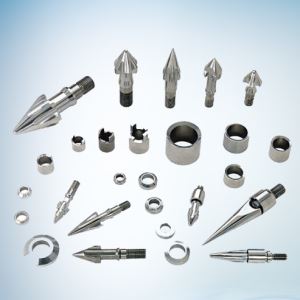
How to Minimize Wear on Injection Molding Machine Screws and Barrels?
May 06, 2026
Because the screw and barrel components of an injection molding machine operate under conditions of high pressure, high temperature, high mechanical torque, and intense friction, prolonged operation in such an environment inevitably leads to wear. Consequently-given the constraints imposed by these process factors-minimizing this wear presents a certain degree of difficulty. However, by adopting scientific and rational methods, the extent of wear can be effectively reduced. How, specifically, can this be achieved?
Generally speaking, to enhance the wear resistance of an injection molding machine's screw and barrel, manufacturers typically subject their surfaces to a nitriding treatment.
Furthermore, it is essential to understand the underlying causes of wear in order to implement targeted measures that effectively reduce its severity and extend the service life of the components.
We will outline the causes of screw and barrel wear-along with methods for mitigating it-by addressing two key points:
1. Each type of plastic raw material has an optimal processing temperature. Therefore, prior to processing different plastic materials, the operating temperature must be adjusted to ensure it remains as close as possible to this ideal temperature.
As granular plastic enters the barrel from the hopper, it first reaches the feeding section. This initial stage involves "dry friction"; if the plastic material is insufficiently heated or melts unevenly at this point, it significantly increases abrasive wear on both the screw surface and the inner wall of the barrel. Subsequently, as the plastic material advances into the compression and metering (homogenization) sections, any remaining non-uniformity in its molten state will continue to exacerbate frictional wear.
2. The screw rotation speed must be adjusted appropriately and should not be set excessively high. Given that many modern plastic raw materials contain substantial amounts of reinforcing agents and fillers, these additives generate friction against the screw and barrel surfaces; operating at high rotation speeds will inevitably intensify this frictional wear.