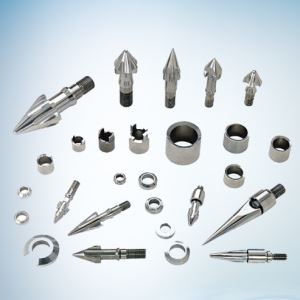
How to Select and Use an Injection Molding Machine Screw?
Nov 11, 2026

As a critical component in the injection molding process, the screw plays a vital role in the melting, mixing, and compression of plastic. Selecting and using the screw correctly not only enhances production efficiency and product quality but also extends the service life of the equipment. So, how should one go about selecting and using a screw? Read on to find out.
Methods for Selecting a Screw:
1. Pitch and Thread Type: The pitch refers to the spacing of the threads on the screw. A larger pitch means the plastic advances a shorter distance with each full rotation, making it suitable for plastics that are difficult to melt. Screw thread types include deep-groove, shallow-groove, and constant-pitch designs; different types are suited to different kinds of plastic.
2. Diameter and Length: The diameter and length of an injection molding machine screw should be chosen based on the machine's specifications and production requirements. A larger-diameter screw offers a greater injection capacity, making it suitable for large-scale injection molding, while a smaller-diameter screw is better suited for smaller-scale operations. In terms of length, the screw should generally be 3 to 4 times its diameter to ensure the plastic is fully plasticized.
3. Material Selection: Common materials for screws include standard steel, high-quality alloy steel, and specialized wear-resistant materials. Generally, screws made of standard steel are suitable for common plastics, whereas for engineering plastics that require higher wear resistance, it is recommended to use screws made from high-quality alloy steel or specialized wear-resistant materials.
4. Diameter and Length: The diameter and length of an injection molding machine screw should be chosen based on the machine's specifications and production requirements. A larger-diameter screw offers a greater injection capacity, making it suitable for large-scale injection molding, while a smaller-diameter screw is better suited for smaller-scale operations. In terms of length, the screw should generally be 3 to 4 times its diameter to ensure the plastic is fully plasticized.
5. Compression Ratio: The compression ratio of a screw refers to the ratio of the channel depth in the feed section to that in the metering section; it is also an indicator of plasticizing capacity. An appropriate compression ratio must be selected based on the specific type of plastic to ensure thorough plasticization while preventing thermal decomposition caused by over-processing.
Proper Use of the Screw:
1. Preheating at Startup: Before starting the injection molding machine, the screw should be preheated. The purpose of preheating is to bring the screw to the optimal operating temperature, which minimizes the cooling of the plastic within the screw, ensures complete plasticization, and prevents issues arising from incomplete melting.
2. Temperature Control: Maintaining a stable temperature for the screw and the injection barrel is critical. Excessive temperatures can lead to the thermal decomposition of the plastic, while temperatures that are too low hinder proper plasticization. Therefore, the temperatures of the screw and barrel must be adjusted according to the specific type of plastic being processed to ensure they remain within the appropriate operating range.
3. Cleaning and Maintenance: Regular cleaning and maintenance of the screw are essential to prevent the accumulation of plastic residue or metallic debris, which could compromise the quality of the molded parts. Use specialized cleaning agents and tools; avoid using hard objects to scrape the screw surface, as this can cause damage.
4. Avoiding Excessive Use: Minimize prolonged, high-load operation of the injection molding machine, as this accelerates screw wear and shortens its service life. Plan production schedules reasonably, and incorporate adequate downtime for maintenance to extend the lifespan of the screw.
Selecting and using an injection molding machine screw correctly is vital for both the quality and efficiency of the injection molding process. When choosing a screw, one must carefully consider parameters such as the material, diameter, length, and pitch. Furthermore, it is essential to employ proper operating procedures during use.