

How to check if a separated screw is defective?
May 19, 2026
As a supplier of separated screws, ensuring the quality of our products is of utmost importance. One crucial aspect of quality control is checking whether a separated screw is defective. In this blog post, I will share some effective methods to determine if a separated screw has any issues.
Visual Inspection
The first step in checking a separated screw is a thorough visual inspection. Start by examining the overall appearance of the screw. Look for any visible signs of damage, such as cracks, chips, or deformities. Pay close attention to the threads, as they are critical for the proper functioning of the screw. Any irregularities in the thread pitch, depth, or shape can indicate a defect.
Inspect the surface finish of the screw as well. A smooth and uniform surface is a sign of a high - quality screw. Rough or pitted surfaces may be a result of poor manufacturing processes or material defects. Additionally, check for any signs of corrosion or rust, which can weaken the screw and affect its performance.
Dimensional Measurement
Accurate dimensional measurement is essential to ensure that the separated screw meets the required specifications. Use precision measuring tools such as calipers, micrometers, and gauges to measure the key dimensions of the screw, including the diameter, length, and thread pitch. Compare the measured values with the design specifications. Even a small deviation from the specified dimensions can cause problems during installation or operation.
For example, if the diameter of the screw is too large, it may not fit properly into the corresponding hole or nut. On the other hand, if the diameter is too small, it may not provide sufficient holding power. Similarly, an incorrect thread pitch can lead to poor engagement with the mating part, resulting in loose connections or difficulty in tightening.
Material Analysis
The quality of the material used in the separated screw plays a significant role in its performance and durability. Conducting a material analysis can help identify any potential issues with the material. There are several methods available for material analysis, including chemical analysis and hardness testing.
Chemical analysis can determine the composition of the material, ensuring that it meets the required standards. For instance, a screw made of a particular alloy should have the correct percentage of each element in its composition. Deviations from the specified composition can affect the mechanical properties of the screw, such as its strength and corrosion resistance.
Hardness testing is another important aspect of material analysis. A screw with the correct hardness is less likely to deform or break under stress. Use a hardness tester to measure the hardness of the screw at different points. Compare the measured hardness values with the recommended range for the specific material and application.
Functional Testing
In addition to visual inspection, dimensional measurement, and material analysis, functional testing is crucial to ensure that the separated screw performs as intended. Functional testing involves installing the screw in a test setup and subjecting it to the expected operating conditions.
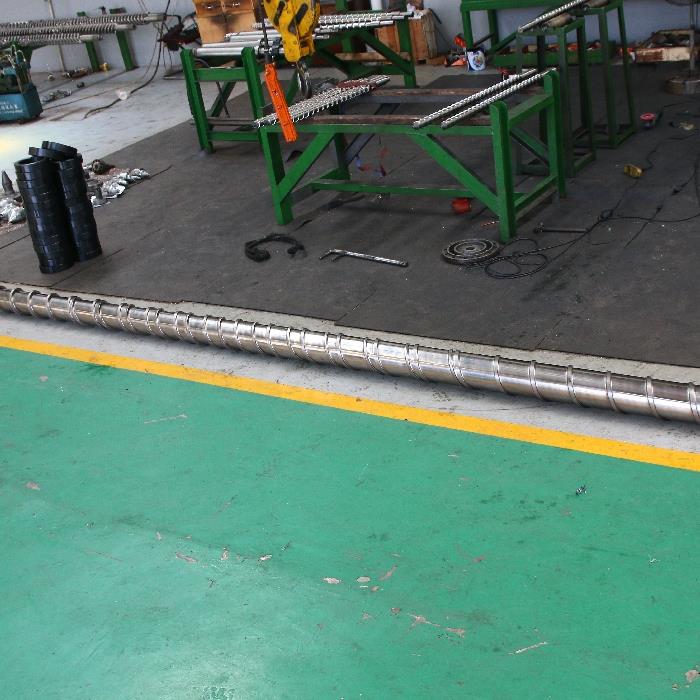

For example, if the screw is designed for use in a high - torque application, apply a controlled amount of torque to the screw and check for any signs of slippage, deformation, or failure. If the screw is used in a vibrating environment, simulate the vibrations and observe the performance of the screw over a period of time.
During functional testing, pay attention to factors such as the ease of installation, the tightness of the connection, and the ability of the screw to withstand the applied forces. Any issues detected during functional testing indicate a potential defect in the screw.
Comparison with Standard Samples
Another effective way to check if a separated screw is defective is to compare it with standard samples. Standard samples are screws that are known to meet the required quality standards. By comparing the suspect screw with the standard samples, you can easily identify any differences in appearance, dimensions, or performance.
Look for differences in color, surface finish, and overall shape. Measure the dimensions of the suspect screw and the standard sample side by side to detect any discrepancies. You can also perform functional tests on both the suspect screw and the standard sample under the same conditions to compare their performance.
Using Specialized Equipment
In some cases, specialized equipment can be used to detect defects in separated screws that may not be visible to the naked eye. For example, X - ray inspection can reveal internal defects such as cracks or voids in the screw. Ultrasonic testing can also be used to detect internal flaws in the material.
Magnetic particle inspection is another useful technique for detecting surface and near - surface defects in ferromagnetic screws. This method involves applying a magnetic field to the screw and then sprinkling magnetic particles on its surface. Any defects in the screw will cause the magnetic particles to accumulate, making the defects visible.
Supplier's Quality Assurance
As a supplier of separated screws, we have a comprehensive quality assurance system in place to ensure that our products meet the highest standards. Our quality control process starts from the selection of raw materials and continues throughout the manufacturing process.
We source our raw materials from reliable suppliers and conduct thorough inspections before using them in production. During the manufacturing process, we use advanced machinery and strict quality control measures to ensure the accuracy of dimensions and the quality of the surface finish.
After production, each screw undergoes a series of tests, including visual inspection, dimensional measurement, material analysis, and functional testing. Only the screws that pass all the tests are approved for shipment.
Conclusion
Checking if a separated screw is defective requires a combination of visual inspection, dimensional measurement, material analysis, functional testing, and comparison with standard samples. By using these methods, we can ensure that the screws we supply meet the highest quality standards.
If you are in the market for high - quality separated screws, such as Extruder Screw Barrel, High Speed Screw, or Film Screw Barrel, we are here to provide you with the best products. Our commitment to quality and customer satisfaction makes us a reliable partner for your screw needs. If you have any questions or would like to discuss your specific requirements, please feel free to contact us for a purchase negotiation.
References
- ASME B18.1.1 - 2017, “General Purpose Machine Screws.”
- ASTM A307 - 20, “Standard Specification for Carbon Steel Bolts and Studs, 60 000 - Psi Tensile Strength.”
- ISO 4759 - 1:2019, “Fasteners — Tolerances — Part 1: Bolts, Screws, Studs and Nuts.”